

/ UK media planning & buying agency
Not sure where to advertise your business? We plan it for you.
Plan My Advertising is a UK advertising planning and media buying company. We help businesses work out where their advertising budget should be spent and can then plan, negotiate and buy suitable advertising across digital and traditional media.
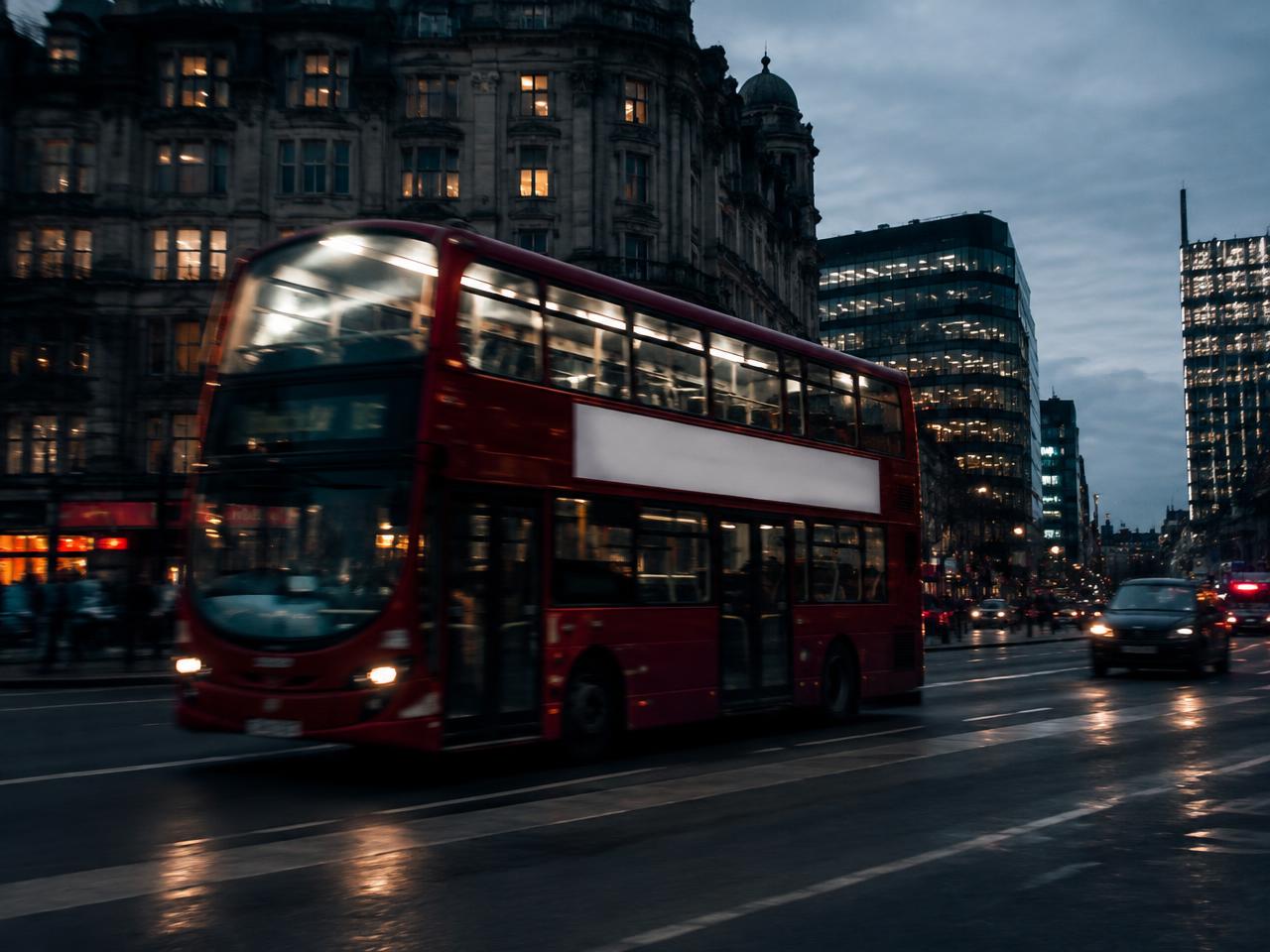 01MediaDifferent advertising channels solve different problems.
- 02What are you trying to achieve?Channel selection should follow the problem rather than lead it.
- 03IndustriesAdvertising decisions change with customer behaviour, geography, buying cycle, margins, average transaction value, competition, seasonality and the sales journey.
 04LocationsPlan My Advertising helps businesses across the UK decide where to advertise and how to allocate their advertising budgets.
 05GuidesReference guides covering the decisions that shape a media plan, written to be read before the money is committed.
01
How we decide where a business should advertise
Before any channel is discussed, we look at how the business actually makes money and who it needs to reach. The process considers:
- what the business sells
- the target customer
- geography and catchment
- the revenue model
- average transaction or customer value
- profit margins where relevant
- the buying cycle
- the sales process
- existing demand for the product or service
- previous advertising and what it showed
- the growth objective
- the available budget
- measurement capability
We do not start with a media channel. We start with the business. The channels follow from the answers.
02
Demand creation vs demand capture
Demand capture reaches people who are already looking for a product or service. Examples can include:
- Google search advertising
- relevant comparison and search environments
- retargeting where appropriate
Demand creation introduces or reinforces a business before somebody is actively searching. Examples can include:
- outdoor advertising
- radio
- television and connected TV
- YouTube
- social advertising
- sponsorship and other reach media
Many strong plans use both: reach media builds familiarity, and capture media is there when people start looking. Whether a particular business needs both depends on its market, existing demand and budget.
03
Advertising channels we can consider
We plan across the full range of UK media, grouped by how they are bought and used:
- Outdoor & transport — billboards, digital out-of-home, bus, rail, airport and more in outdoor advertising
- Television & video — TV, connected TV, YouTube, cinema
- Audio — radio, digital audio
- Search & social — paid search, paid social
- Display & programmatic — display, programmatic
- Print & direct — print, newspapers, magazines
- Experiential & sponsorship — experiential
See every channel in the media directory.
04
Different businesses need different media plans
The following scenarios are illustrative. They show the questions that shape a plan, not recommendations or results.
Kitchen showroom in Cheshire
Likely questions:
- How far will customers travel to the showroom?
- Is search demand already strong?
- Is the showroom trying to create more local awareness?
- What is an average sale worth?
- How many additional appointments can the business handle?
Media that might be considered includes Google Ads, Meta, outdoor, radio and direct mail. None of these must be used; the answers decide.
Regional car dealership
Considerations include the dealership catchment, new versus used vehicles, manufacturer activity, model launches, search demand, local awareness and lead generation.
National ecommerce business
Considerations include customer acquisition cost, contribution margin, repeat purchase, search demand, social and video creative, geographic reach and attribution.
05
What does an advertising plan actually include?
A useful plan sets out:
- the objective
- the target audience
- the geographic market
- recommended media channels
- the role of each channel
- budget allocation
- timing
- reach and frequency considerations
- creative requirements
- the measurement approach
- media buying recommendations
Read more about how media planning works.
06
How much should you spend?
There is no universal percentage that suits every business. Suitable spend depends on:
- margins
- customer value
- the growth target
- advertising economics
- market size
- media costs
- available sales capacity
See how much advertising costs in the UK, how much a business should spend on advertising and how to split an advertising budget.
/ Media
Channels we plan and buy
Outdoor & transport
Roadside, transport, retail and public-environment media.
Television & video
Linear television, connected TV, online video and cinema.
Display & programmatic
Display inventory and automated, data-led buying.
Print & direct
Newspapers, magazines and printed titles.
Experiential & sponsorship
Sampling, activations, brand experience and sponsorship.
/ Objectives
Start with what the campaign has to achieve
/ Guides
Read before the money is committed
- 01How to Plan an Advertising CampaignA media plan is easier to evaluate when the decisions are made in the right order: objective, audience, geography, timing, budget, media roles, creative, d.
- 02How Much Should a Business Spend on Advertising?There is no responsible universal percentage that tells every business what to spend. A workable budget comes from the commercial objective, economics of t.
- 03How Media Buying WorksMedia buying converts strategy into booked or activated advertising inventory.
- 04How to Choose Advertising ChannelsChoose channels by the role they can play in the customer journey, not by popularity.
- 05Reach, Frequency and ImpressionsThese are common media terms, but their definitions and measurement methods are not identical across channels.
- 06How Advertising Is MeasuredMeasurement should distinguish what the media delivered from what happened in the business.
/ Frequently asked
- Where should I advertise my business?
- It depends on what you sell, who buys it, where they are, how they decide and what budget is available. We look at those factors first and then recommend the channels that have a clear job to do. See where should I advertise my business.
- How do I choose advertising channels?
- Give each channel a role — creating awareness, capturing existing demand, generating leads or driving visits — and check that the budget is enough for it to do that job properly. Channels chosen because they are familiar or fashionable often underperform.
- How much should I spend on advertising?
- There is no single right figure. Customer value, margins, sales capacity, market size and media costs all affect what is sensible. A budget should be large enough for the chosen channels to work, not simply spread across as many as possible.
- Do I need to use several advertising channels?
- Not necessarily. Smaller budgets are often better concentrated in one or two channels. More channels become practical as budget, objectives and measurement capability grow.
- Can Plan My Advertising manage traditional and digital advertising together?
- Yes. We plan and buy across outdoor, broadcast, audio, print and direct alongside search, social, video, display and programmatic, so the channels work as one plan.
- What information do you need to build a media plan?
- What the business sells, who the customer is, where they are, the objective, the budget range, timing, customer value and margins where relevant, previous advertising, available creative and how results are measured today. Our brief form covers the essentials.
- Is Plan My Advertising a digital marketing agency?
- No. Plan My Advertising is an advertising planning and media buying business rather than a digital-only agency. Digital media can form part of a plan, but traditional media is also considered where appropriate.
Regulatory reference: ASA / CAP — UK Advertising Codes.
Next step
Not sure where to advertise your business? Tell us what your business sells, who your customers are, where they are, what you want to achieve and approximately what you want to spend. We can help work out which advertising channels may make sense.